The Inland Caregiver Resource Center connects seniors to services In rural communities
by Peter Hecht
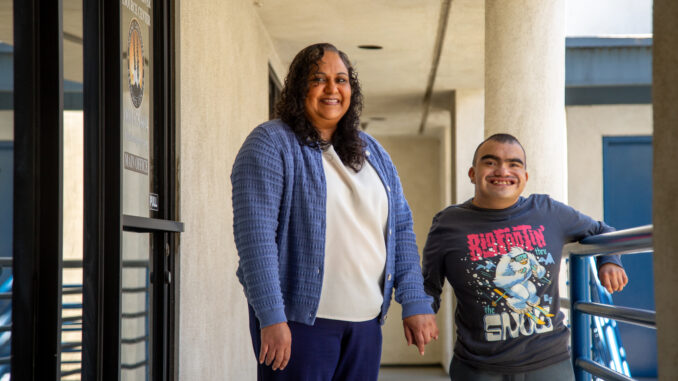
Carmen Estrada is executive director of the Inland Caregiver Resource Center, one of 11 California regional agencies providing support for family caregivers, many of whom are stretched thin and, in some cases, are older adults themselves.
It is an arduous challenge. Headquartered in Colton, the Inland Caregiver Resource Center serves a vast geographic region spanning San Bernardino, Riverside, Inyo, and Mono counties—a service area that reflects many of the pressures facing rural communities statewide. More than 80% of California’s land mass is considered rural, and by 2040, the population age 85 and older in rural counties is projected to grow by 158%—far faster than the statewide average of 125%.
In the nation’s most populous state, rural older adults face higher rates of chronic conditions —including heart disease, stroke and lung disease —while often navigating fewer local health care and long-term care options. Service gaps, workforce shortages and limited access to home- and community-based supports can leave families with few choices, increasing the risk of delayed care, caregiver burnout, avoidable hospitalization or relocation away from local support networks.
“Our clients may have problems with transportation, accessing services, or getting to the grocery store,” Estrada says. “Some live in communities with no paved roads. People begin to experience isolation, then sadness and depression. Then you have regular life challenges: loss of independence and of family and friends. All those things are compounded.”
“We all know someone who has had experiences of not being able to afford the in-home care they need and having to navigate very stressful situations.”
Pauline DeLange Martinez, Research and Community Engagement Manager, Family Caregiving Institute at the University
Estrada’s personal experiences include caring for a mother with cancer and a father who suffered a heart attack and a stroke. Her parents, now deceased, were stubborn about accepting in-home help.
“It’s hard to navigate these things when it’s your family,” she says. “You have to build trust and rapport. We don’t talk about aging until we’re forced to care for someone.”
Estrada works for the Inland Caregiver Resource Center from home, where she is also an In-Home Supportive Services caregiver for her son, Victor, 21, who has cerebral palsy and autism. He has breathing difficulties, is unable to speak, and uses an iPad to communicate.
While keeping a close eye on Manny, Estrada also helps oversee a staff of 30, including family consultants, care coordinators, and therapists working with isolated seniors.
Yet as care needs increase for a growing senior population, Medicaid and funding for services for older adults and individuals living with disabilities have been slashed under H.R. 1, the “Big Beautiful Bill Act” signed by President Donald Trump last year.
“We’re going to see more cuts to rural hospitals, clinics, and skilled nursing facilities,” says Pauline DeLange Martinez, research and community engagement manager for the Family Caregiving Institute at the University of California, Davis.
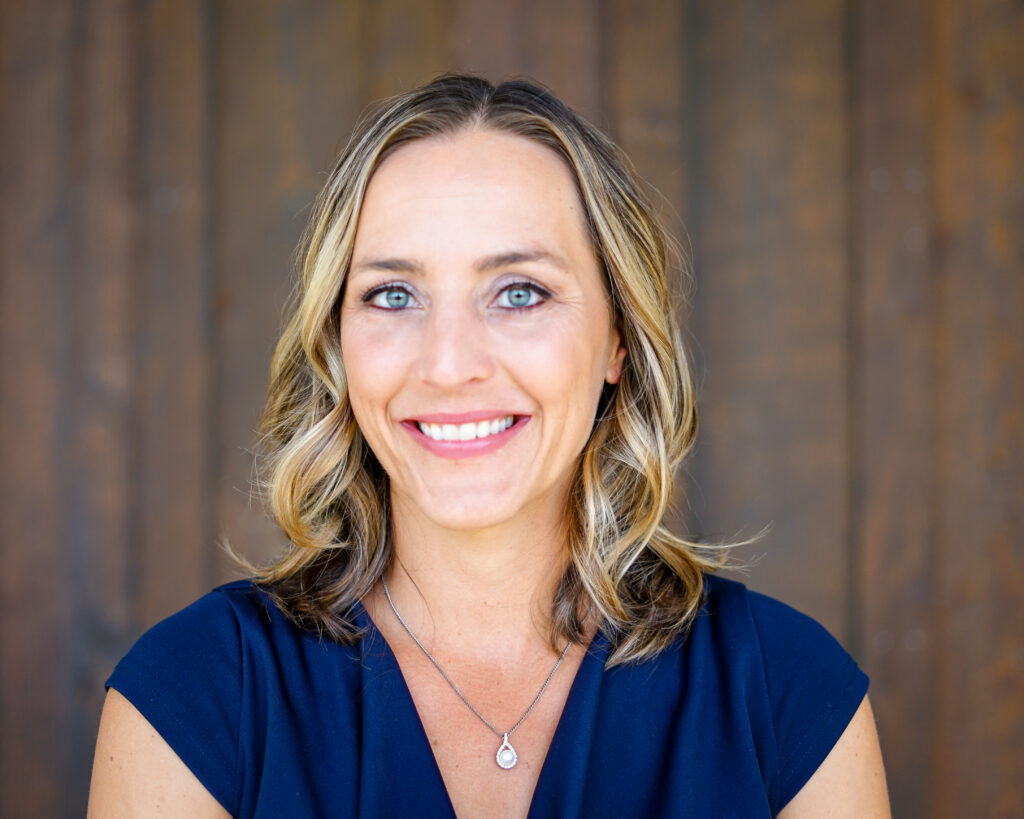
DeLange Martinez served as lead researcher in the study examining needs of rural older adults. She describes isolated seniors encountered in the rural Inland Empire. A woman with just two weekly bus options, leaving her to have to choose between a trip to the grocery store or a visit to the senior center.
An elderly man unable to maintain a household swamp cooler “when it was 120 degrees outside.”
“We’re living longer and we’re not caring for older adults in our communities,” DeLange Martinez says. “We all know someone who has had experiences of not being able to afford the in-home care they need and having to navigate very stressful situations.”
A policy brief from the study on rural aging calls for increased funding for community-based services, including continuing care retirement communities and adult day care centers. It advocates for increased support for enrollment in Medi-Cal, In-Home Supportive Services and the Multipurpose Senior Services Program, which offers alternatives to nursing home care.
The Inland Caregiver Resource Center contributed to the Inland Empire “Master Plan for Aging.” It calls for helping rural older adults with caregiving for Alzheimer’s disease and other dementias, improving transportation and emergency response, and enhancing housing options and social support for older adults.
Local, state, and federal solutions are required, Estrada says, so that California’s older adults are not “disregarded and left behind.”
For more information on the Inland Caregiver Resource Center visit The California Collaborative for Long Term Services and Supports at https://www.ccltss.org/