California’s In-Home Supportive Services provides vital services for those with disabilities
by Peter Hecht
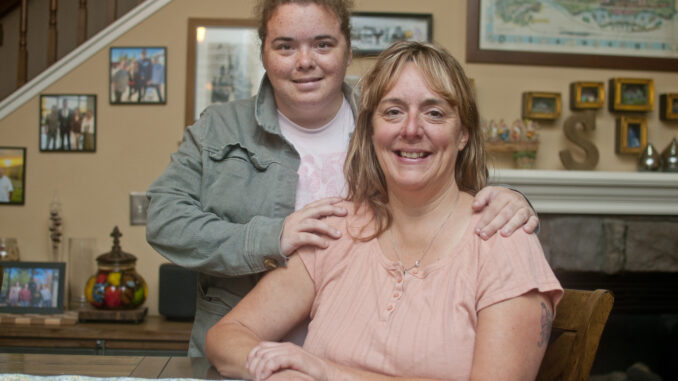
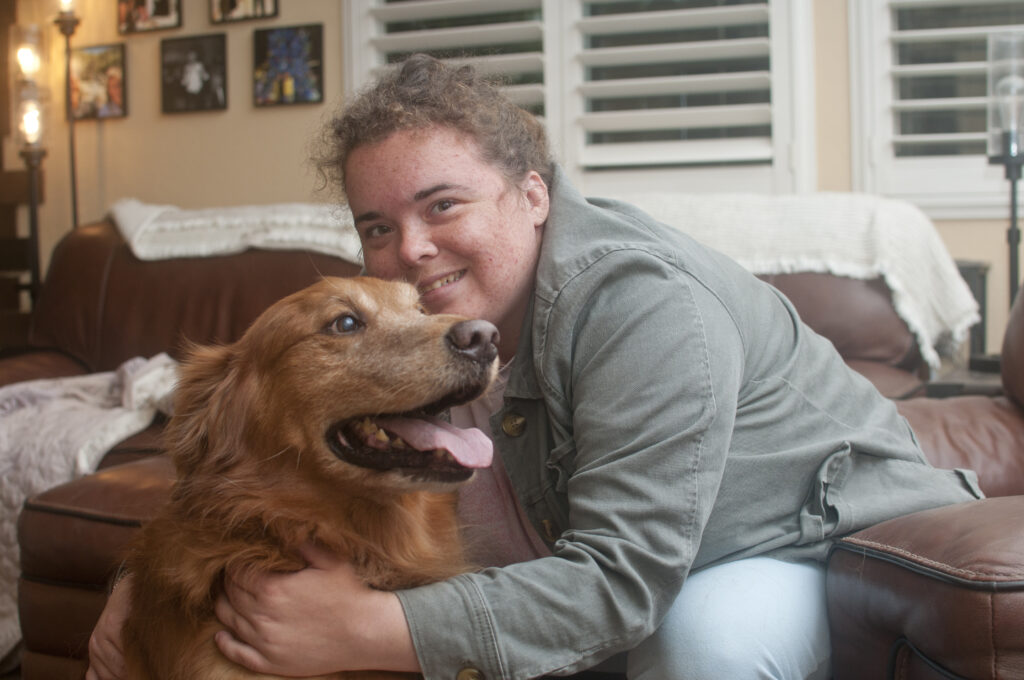
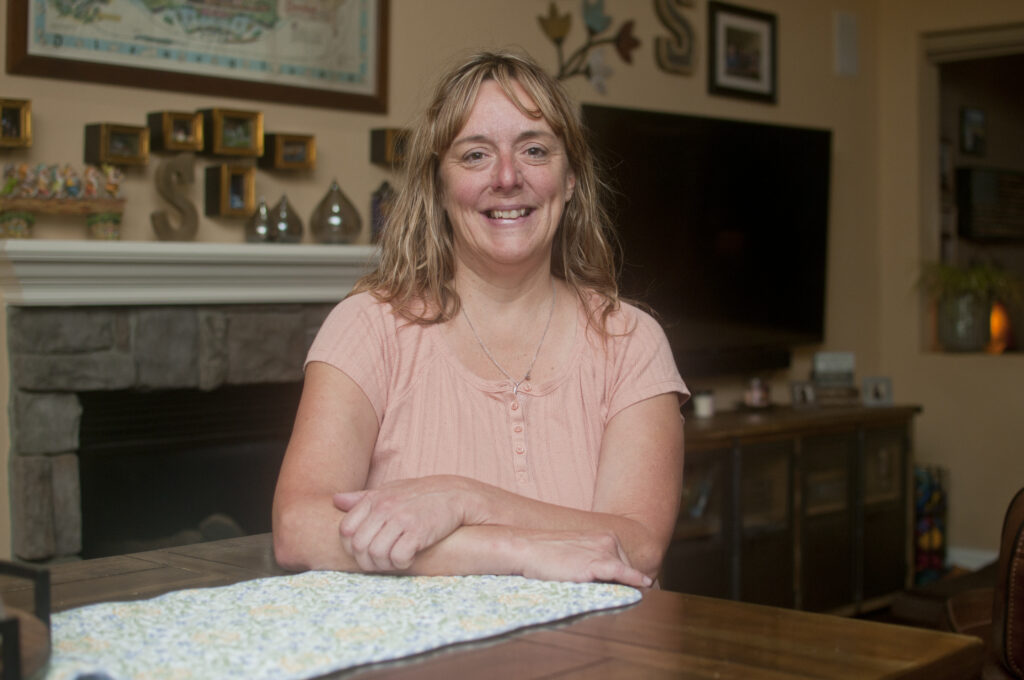
Jennifer Salewsky began to notice early on that her daughter, Tayler Sett, was developing differently. As a toddler, Tayler was diagnosed with a cognitive disability and needed support through specialized education, including speech services, along with ongoing supervision. Tayler completed high school at 17 with a certificate of completion, reflecting an individualized education program designed to meet her needs. Salewsky later left her career as a preschool teacher to become Tayler’s primary caregiver, the second of her three children. Tayler continues to need support with daily living activities, including personal hygiene, and has also experienced mental health challenges. Salewsky feared that institutionalizing Tayler—at overwhelming cost—would be harmful for her daughter’s well-being. She insisted on keeping Tayler “safe at home.”
She has been able to do so thanks to California’s In-Home Supportive Services (IHSS) program, which pays family members or outside caregivers to provide care at home for individuals with disabilities.
While Salewsky is compensated for up to a maximum of 283 hours per month, Tayler’s needs extend well beyond those hours—shaping the rhythm of daily life in ways that don’t neatly fit within a schedule.
Homecare is not easy, Salewsky can attest. Tayler is now 28 and her mother says, “She is not improving, her disability is always there.” She needs help getting in the shower, is unable to use kitchen appliances without hurting herself and can’t prepare meals other than cereal. Diagnosed with a borderline mood disorder, she experiences manic episodes.
“A program like IHSS is vital for our community of seniors and people with disabilities to live in their homes and to be provided care in their homes instead of in institutions.”
Astrid Zuniga
President, United Domestic Workers
“There are days when she is up all night … She has wandered off looking for stray cats at 3 a.m.,” Salewsky says.
While Tayler’s needs are deeply personal, her story reflects a much larger reality. California is home to approximately 7 million people with disabilities, while an estimated 6.4 million family caregivers provide care to an adult family member or friend each year. These caregivers often shoulder significant personal costs – spending more than $7,200 annually out of pocket on average, with costs rising substantially higher for families caring for individuals with Alzheimer’s disease and related dementias, according to AARP. For many families, caregiving is not just a responsibility—it’s a full-time role. The time and financial demands can make it difficult to maintain employment and household stability, underscoring the importance of programs that help support care at home.
The IHSS program provides critical help by paying in-home caregivers $17 -$23 an hour, with rates varying in different California counties.
Those caregivers are “special because the amount of pay they can get is not really commensurate with the kind of work they’re giving,” says Kristy Madden, membership coordinator for the California In-Home Supportive Services Consumer Alliance, which advocates for the IHSS program. “But most of them are the type of people that love to help people, to nurture people. They have a giving spirit. This is why they’re so into the job they do.”
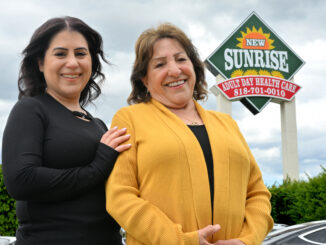
Madden, 65, is an IHSS care recipient herself. She has muscular dystrophy and can no longer stand up on her own. She has used a motorized wheelchair since shattering her knee in a catastrophic fall in 2016. But she can work and stay in her home, thanks to care from two care workers, Gigi and Felix Valbuena.
The Valbuenas help her in and out of bed and with bathing. They maintain the house, take her shopping and to community events. They also provide support for Madden’s sister, Carrie Madden, who lives with Kristy and is also able to work while living with muscular dystrophy.
Before caring for the two sisters, the same IHSS workers looked after their mother, Shirley Madden, providing care, entertainment and diversion as she battled dementia. They remained in the family home through Shirley’s final weeks of life.
“They’re like family to us,” Madden says. “They took care of my mom so well. She adored them.”
IHSS workers, including outside caregivers and family members alike, provide critically needed assistance in California, says Astrid Zuniga, president of United Domestic Workers, a union representing 200,000 California homecare and childcare workers.
“A program like IHSS is vital for our community of seniors and people with disabilities to live in their homes and to be provided care in their homes instead of in institutions,” she says.
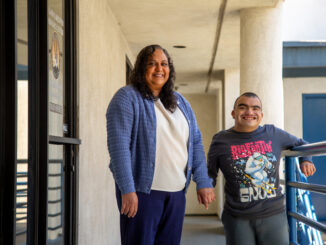
Zuniga is also an in-home caregiver for a disabled son, Manny, 27, who has autism, intellectual challenges and epilepsy.
Until some recent success with anti-psychotic medications, Manny suffered constant fits of rage when frustrated, smashing televisions, punching walls or striking himself in the head. He has trouble following instructions and, unless closely supervised, will wander off.
Zuniga says the best care environment for Manny is his own home.
“If I were going to put him in an institution, as a person with disabilities and aggressive behavior, they would dope him up with the strongest medication and lock him the hell up…without any love or care,” she says.
In-Home Supportive Services, she says, allows people to live and thrive in their communities.
“I can’t see anything more important than that,” she says.
For more information on the In-Home Supportive Services program visit The California Collaborative for Long Term Services and Supports at https://www.ccltss.org/